
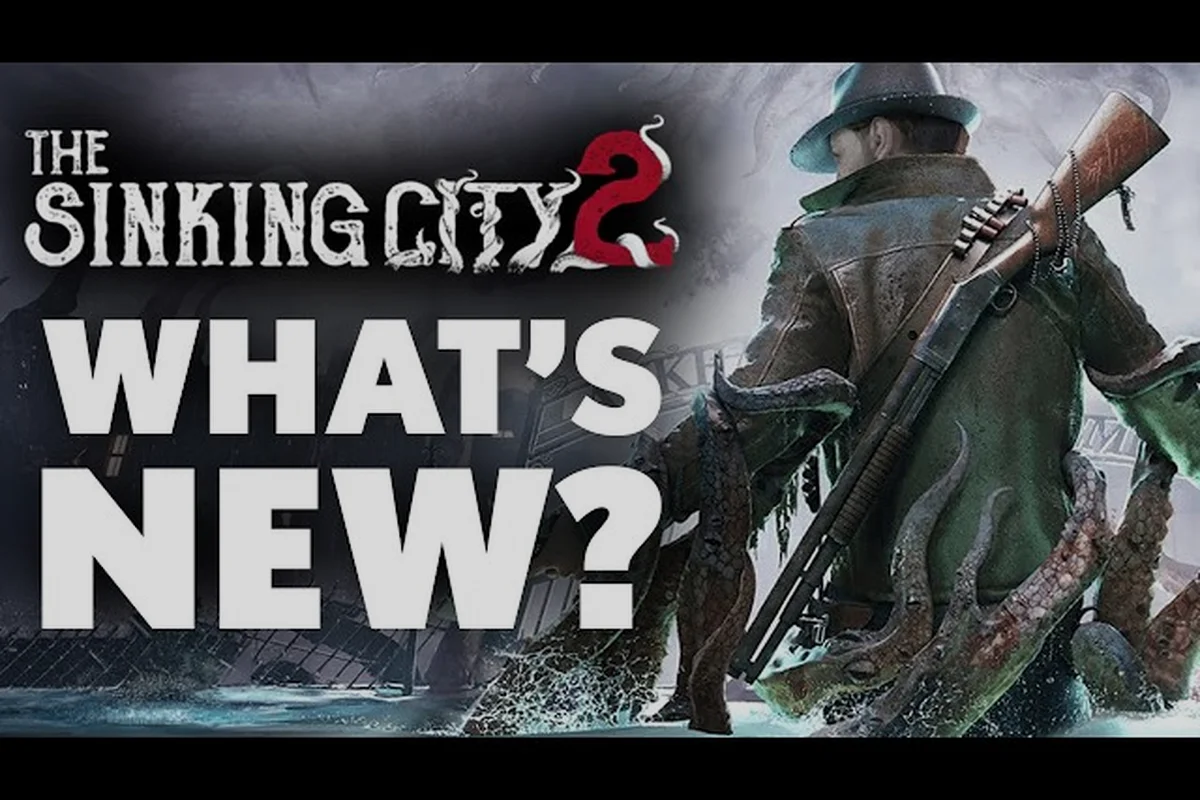
The Sinking City 2 vs The Sinking City comparison matters more than most sequel debates because Frogwares deliberately dismantled the first game's biggest selling point. The original 2019 title spread its detective mystery across a sprawling open-world Oakmont, but players and critics alike noted the city felt hollow. The sequel, launching August 18, 2026 on PS5, Xbox Series X/S, and PC, abandons that ambition entirely. According to the official Steam page, this is a third-person survival horror where pressure builds as you push deeper, relief comes in brief refuge, and fear is something you manage. If you are deciding whether to revisit Arkham, understanding exactly what changed between these two games will shape your expectations for resource management, exploration, and combat pacing.
The Open World Question: What Frogwares Cut and Why
The most direct answer to "The Sinking City 2 is it open world" is no, and that is the point. PC Gamer's demo coverage described the original as too ambitious, spreading its mystery across an open world that felt thin, while the sequel is more focused with room for exploration within its levels but not an entire town to free-roam around. Think H.P. Lovecraft's Resident Evil rather than a budget Grand Theft Cthulhu. This design pivot directly addresses the most common complaint from the first game, where players spent excessive time boating between identical flooded districts.
| Design Element | The Sinking City (2019) | The Sinking City 2 (2026) |
|---|---|---|
| World Structure | Open world, free-roam | Level-based with interconnected shortcuts |
| Map Size | Entire Oakmont city | Arkham districts, gated progression |
| Fast Travel | Skiff + fast travel points | Unlockable shortcuts, no fast travel |
| Exploration Reward | Scattered loot, often meaningless | Hand-placed supplies tied to survival |
| Pacing Control | Player-driven, easy to get lost | Developer-directed tension curves |
The shift means your approach to exploration changes completely. In the first game, you could sail anywhere and stumble into side cases at your leisure. In the sequel, each district opens through story progression, and backtracking via unlocked shortcuts becomes the primary way to farm supplies. This is a survival horror loop first and a detective game second, which is a reversal of the original's priorities.
How Level Design Replaces the Open World
Each Arkham area in the sequel functions as a self-contained sandbox with multiple vertical layers. You might enter a department store through the ground floor, but the real loot sits in flooded basements or collapsed upper levels. The shortcut system rewards memory and spatial awareness because locked doors you pass early become vital escape routes later. Community reports from the demo suggest that learning these connections is the difference between a comfortable run and constant resource starvation.
The trade-off is that you lose the organic discovery of the first game. You cannot wander into a random warehouse and find a clue that leads to a completely optional investigation. Instead, the sequel funnels you through curated horror set pieces, which creates a tighter narrative but reduces player agency. For players who loved the detective freedom of Oakmont, this feels restrictive; for those who found the open world tedious, the focused design is a welcome correction.
Combat and Resource Management: Survival Horror Rules
Combat in The Sinking City 2 vs The Sinking City represents the most dramatic mechanical shift. The original featured third-person shooting with a cover system, where ammunition was plentiful enough that gunfights were viable solutions. The sequel strips that comfort away entirely. Firearms exist, but ammunition is scarce enough that every shot demands justification. The pressure system actively punishes prolonged engagements because sustained combat raises your stress meter, which degrades your aim and perception.
| Combat Aspect | The Sinking City (2019) | The Sinking City 2 (2026) |
|---|---|---|
| Ammo Availability | Common, purchasable | Rare, hand-placed only |
| Melee Viability | Weak, situational | Primary tool, stamina-based |
| Enemy Count | Swarms, waves | Small groups, high individual threat |
| Healing System | Medkits, instant use | Bandages, timed application |
| Failure Penalty | Respawn with gear loss | Pressure buildup, permanent resource drain |
The melee combat now carries the weight of most encounters. You have a light attack, a heavy attack, and a dodge, but stamina management is brutal. Swinging too freely leaves you exhausted and vulnerable to the Deep Ones' lunging attacks. The demo showed that two or three enemies can overwhelm you if you panic, which forces careful positioning and environmental awareness.
Inventory Pressure and the Photo Mode Connection
Your inventory in the sequel is deliberately small, and this is where the photo mode becomes more than a cosmetic feature. The game encourages you to document clues, environmental details, and enemy patterns through an in-game camera. These photographs serve as both narrative evidence and practical tools, because reviewing them can reveal hidden paths or weak points you missed in the moment. This mechanic replaces the first game's mind palace deduction board with something more immediate and survival-focused.
Resource management extends to every consumable. Bandages take time to apply, which means you cannot heal mid-combat without creating distance. Ammunition shares inventory space with quest items, so carrying a spare box of shells might mean leaving behind a crucial document. The pressure system also affects inventory capacity, because a stressed character drops items more easily when hit. This creates a feedback loop where poor combat performance leads to resource loss, which makes subsequent encounters harder.
Steam Deck Guide: Performance and Settings for Portable Play
For players wondering about The Sinking City 2 Steam Deck guide recommendations, the Unreal Engine 5 foundation creates both opportunities and challenges. The game targets 30 frames per second on base consoles, which suggests the Steam Deck can handle it, but only with significant compromises. Community testing from the demo indicates that the handheld runs the game at a mix of low and medium settings to maintain a stable frame rate.
| Setting Category | Recommended Value | Performance Impact |
|---|---|---|
| Resolution | 800p native | Base for clarity |
| Upscaling | FSR 2.0 Balanced | +5-8 FPS average |
| Shadow Quality | Low | Major FPS gain |
| Texture Quality | Medium | Minimal FPS loss |
| Ray Tracing | Off | Required for stability |
| Volumetric Fog | Low | Critical for Arkham's atmosphere |
The Steam Deck compatibility is officially unverified as of the demo, but player reports suggest the game runs at 30-40 FPS with the above settings. The bigger concern is battery life, because the game's constant loading of new areas and dense fog effects drain the battery in under two hours. If you plan to play on the go, consider lowering the screen brightness and disabling the haptic feedback to extend your session. The game also supports cloud saves, which makes switching between desktop and handheld seamless.
Visual Trade-offs and the Photo Mode Experience
The photo mode on Steam Deck requires special attention because the feature is surprisingly demanding. Capturing high-resolution screenshots while the game runs can cause frame hitches, so pause the action before entering photo mode. The mode itself offers extensive controls, including field of view adjustment, focal length, and a depth-of-field slider that mimics professional camera lenses. These tools let you frame Arkham's flooded streets with cinematic precision, and the resulting images are shareable directly to Steam Community.
The visual downgrade on Steam Deck is noticeable compared to high-end PCs, particularly in the fog effects that define Arkham's atmosphere. The volumetric fog at low settings looks flatter and less menacing, but the trade-off is worth it for playable frame rates. If you have a high-refresh-rate external monitor, the game can exceed 60 FPS at 1080p with optimized settings, which makes docked play a viable alternative to the handheld experience.
Exploration and Puzzle Design: Tighter but Denser
The sequel's level-based structure allows Frogwares to craft denser puzzle environments. Each district contains multiple interconnected buildings, and solving environmental puzzles often requires moving between them. The lock-and-key progression means you might find a locked door in one building that opens with a valve wheel from another, creating a mental map of the area that rewards thorough exploration.
| Puzzle Type | The Sinking City (2019) | The Sinking City 2 (2026) |
|---|---|---|
| Deduction Board | Central mechanic | Reduced role |
| Environmental | Simple switches | Multi-step, cross-building |
| Lockpicking | Mini-game | Resource-based, consumable picks |
| Photo Analysis | Absent | Core investigation tool |
| Optional Cases | Numerous, disconnected | Fewer, but richer rewards |
The deduction system from the first game, where you arranged clues on a corkboard to reach conclusions, still exists but plays a smaller role. The sequel focuses more on physical investigation, where you photograph evidence and compare it against environmental details. This shift makes the detective work feel more grounded and immediate, though some players miss the intellectual challenge of the original's logic puzzles.
The Photo Mode as a Gameplay Mechanic
The photo mode in The Sinking City 2 is not just for capturing pretty images; it is a core gameplay tool. Certain clues only appear through the camera lens, such as invisible ink messages or spectral figures that vanish when observed directly. This mechanic integrates photography into the survival loop, because stopping to take a picture leaves you vulnerable to ambushes. The tension between documenting evidence and staying alive creates a unique rhythm that distinguishes the sequel from its predecessor.
Optional investigations in the sequel are fewer but more substantial. Each side case involves multiple locations and often rewards you with permanent upgrades, such as increased inventory slots or a better melee weapon. The resource investment required for these cases means you must decide whether to spend precious ammunition and healing items on optional content or save them for the main path. This creates meaningful choices that the first game never demanded.
Performance and Technical Improvements: Unreal Engine 5 Benefits
The jump to Unreal Engine 5 brings significant technical improvements over the original's engine. The Lumen global illumination system creates realistic light scattering through Arkham's flooded interiors, and the Nanite geometry allows for incredibly detailed environments without performance penalties. The original game suffered from texture pop-in and long loading times, but the sequel loads districts in under ten seconds on current-gen consoles.
| Technical Aspect | The Sinking City (2019) | The Sinking City 2 (2026) |
|---|---|---|
| Engine | Unreal Engine 4 | Unreal Engine 5 |
| Loading Times | 30-60 seconds | 5-10 seconds |
| Texture Quality | Variable, pop-in | Consistent, high detail |
| Frame Rate | Unstable on consoles | 30 FPS target, stable |
| Ray Tracing | Not supported | Supported on PS5/Xbox |
The performance improvements are most noticeable during combat, where the original game sometimes dropped below 20 frames per second during intense encounters. The sequel maintains its 30 FPS target even with multiple enemies on screen, which is crucial for a game that demands precise dodging and timing. The HDR implementation also deserves praise, because the contrast between Arkham's dark interiors and the pale light filtering through floodwaters creates genuinely oppressive atmospheres.
Platform-Specific Considerations
The PS5 version leverages the DualSense controller's haptic feedback to simulate the sensation of wading through water, with subtle resistance pulses that change based on depth. The Xbox Series X version offers slightly higher resolution in performance mode, while the Series S runs at a lower internal resolution with the same 30 FPS target. If you are playing on PC, the game supports both DLSS and FSR upscaling, and the graphics settings guide can help you eliminate screen tearing issues that some players reported during the demo.
The Steam Deck experience requires the most compromise, but the game remains playable and atmospheric on the handheld. The smaller screen actually masks some of the visual downgrades, and the portability makes it easier to play in short bursts, which suits the survival horror pacing. The game's checkpoint system is generous, so losing progress is rarely a concern even if you need to stop mid-session.
Verdict: Which Game Should You Play First
The answer depends entirely on what you value in a horror game. If you want the freedom to explore a city at your own pace, uncover optional mysteries, and build your own narrative path, the original The Sinking City remains a unique experience. However, if you want a tighter, more focused survival horror experience with meaningful resource management and genuinely terrifying encounters, the sequel is the superior game. The complete guide for the sequel covers the first hour in detail, which should help you decide if the new direction suits your preferences.
The combat improvements alone justify the sequel for most players. The original's gunplay felt generic and disconnected from the horror atmosphere, while the sequel's melee-focused, stamina-driven combat creates genuine tension in every encounter. The resource scarcity transforms every decision into a survival calculation, and the photo mode adds a unique investigative layer that no other horror game offers.
Final Recommendation
For newcomers to the series, starting with The Sinking City 2 is the right call. The standalone story means you do not need to play the original to understand the plot, and the improved mechanics make it a better introduction to Frogwares' brand of Lovecraftian horror. Veterans of the first game should approach the sequel with an open mind, because the open world they loved is gone, replaced by something more focused and arguably more frightening.
The Steam Deck guide recommendations here should help you get the game running on portable hardware, and the photo mode gives you a creative outlet to capture Arkham's haunting beauty. The Sinking City 2 vs The Sinking City debate ultimately comes down to whether you prefer ambition or execution, and the sequel executes its vision with far more confidence than the original ever managed.
Frequently Asked Questions
Is The Sinking City 2 a direct sequel to the first game?
Yes, it is a direct sequel set in Arkham after the events of the first game, but it features a standalone story with a new protagonist. You do not need to play the original to understand the plot, though veterans will appreciate the connections to Oakmont's events and the broader Lovecraftian mythology.
How long does it take to beat The Sinking City 2?
Most players finish The Sinking City 2 in roughly 15–20 hours, compared to the original’s 25–30. The sequel’s tighter, level-based structure—more Resident Evil than open-world Oakmont—cuts traversal time significantly. Expect to reinvest saved time into resource management, backtracking through unlocked shortcuts, and denser puzzle-solving in Arkham.
Does The Sinking City 2 have a photo mode on all platforms?
Yes, the photo mode is available on PS5, Xbox Series X/S, and PC, including the Steam Deck. The feature offers extensive controls such as focal length, depth of field, and field of view adjustment. On Steam Deck, you should pause the game before entering photo mode to avoid frame hitches during capture.
Can I transfer my save from the demo to the full game?
Frogwares has confirmed that demo saves transfer to the full release, so your progress in the demo carries over when the game launches on August 18, 2026. This includes any supplies you collected and shortcuts you unlocked, which gives you a head start in the opening hours.
What are the main differences in combat between the two games?
The sequel replaces the original's cover-based shooting with a melee-focused, stamina-driven system. Ammunition is scarce, healing takes time, and the pressure system punishes prolonged engagements. The original allowed gun-heavy approaches, while the sequel forces you to conserve resources and prioritize evasion over confrontation.